Built for hospitality teams that need marketing to show its work.

Jay Street Media helps restaurants, restaurant groups, and small hotel groups turn people already searching for a table, a room, or a private dining room into website reservations, event inquiries, calls, directions, confirmed visits, and bookings on the property's own site. Every dollar gets a line on a monthly scoreboard an owner can read between services, including the months that go backwards.

What Jay Street actually does

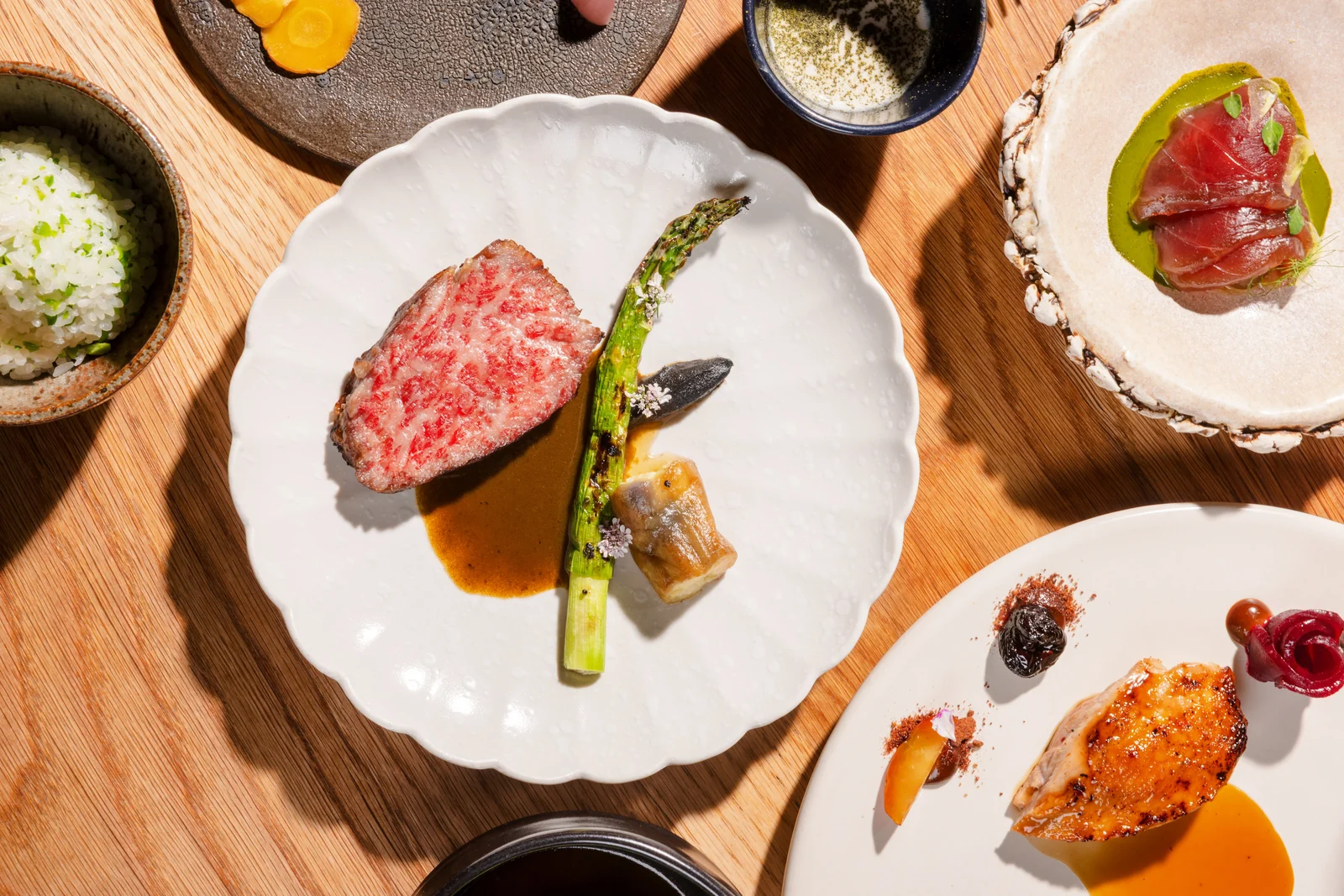
Plated dishes on a wooden pass in daylight: sliced wagyu with grilled asparagus, tuna crudo in herb oil, herbed rice, and a glazed poultry course.

Seven jobs. Each one has a defined outcome. None of them is "more impressions."

01

Search & Maps Advertising

Foot traffic-focused campaigns and private event-focused campaigns on Google Search and Maps. Dining-room ads get credit for calls, directions, reservation clicks, and confirmed restaurant visits. Event ads only get credit when someone actually sends an inquiry. We do not blend those into one lead number. Apple Maps listings are prepared now, and the ads are being tested since they went live in August 2026.

Confirmed restaurant visits are Google's count of people who walked in after seeing the ad. It is not a cover count, and it can overlap with direction requests.

02

Google Business Profile & Local Discovery

The profile run as a second website, with photos, menus, hours, posts, reviews, and service details kept current. Measured in profile views, calls, and direction requests, compared year over year once a location has twelve months of history behind it.

03

Restaurant SEO & Local Search

The winnable ground: the map pack, the profile, neighborhood terms, private dining, and signature dishes. Head terms like best restaurants belong to aggregators, and we say so rather than bill for chasing them. Technical work and structured data keep the restaurant readable to search engines and AI assistants.

04

Private Events & Catering

Private event-focused campaigns for corporate dinners, holiday parties, buyouts, rehearsal dinners, and catering, kept on their own scoreboard. The inquiry form is proven to land a test send in the inbox before any budget goes live. Map taps and page visits are never counted as event leads.

05

Paid Social

Instagram, Reels, and Stories used as distribution rather than posting. The Meta Pixel ties reservation clicks and event inquiries back to the ad that earned them, alongside saves and engagement that show which content travels.

06

Measurement & Reporting

Tracking built around calls, directions, reservation clicks, forms, event inquiries, restaurant visits where available, and revenue signals, with each real action counted once. Monthly reporting answers what to cut, what to fund, and what a dollar produced.

07

Hyperlocal Brand Prominence

When someone nearby searches, your logo and a line of copy sit at the top of the map instead of a gray pin. That is the Maps face of the foot traffic-focused campaigns, not a separate product that reaches people before they search.

Figures on the service pages are labeled where they are forecasts rather than booked revenue. Expected event pipeline is a forecast. It is not booked-event revenue.

Who runs the work

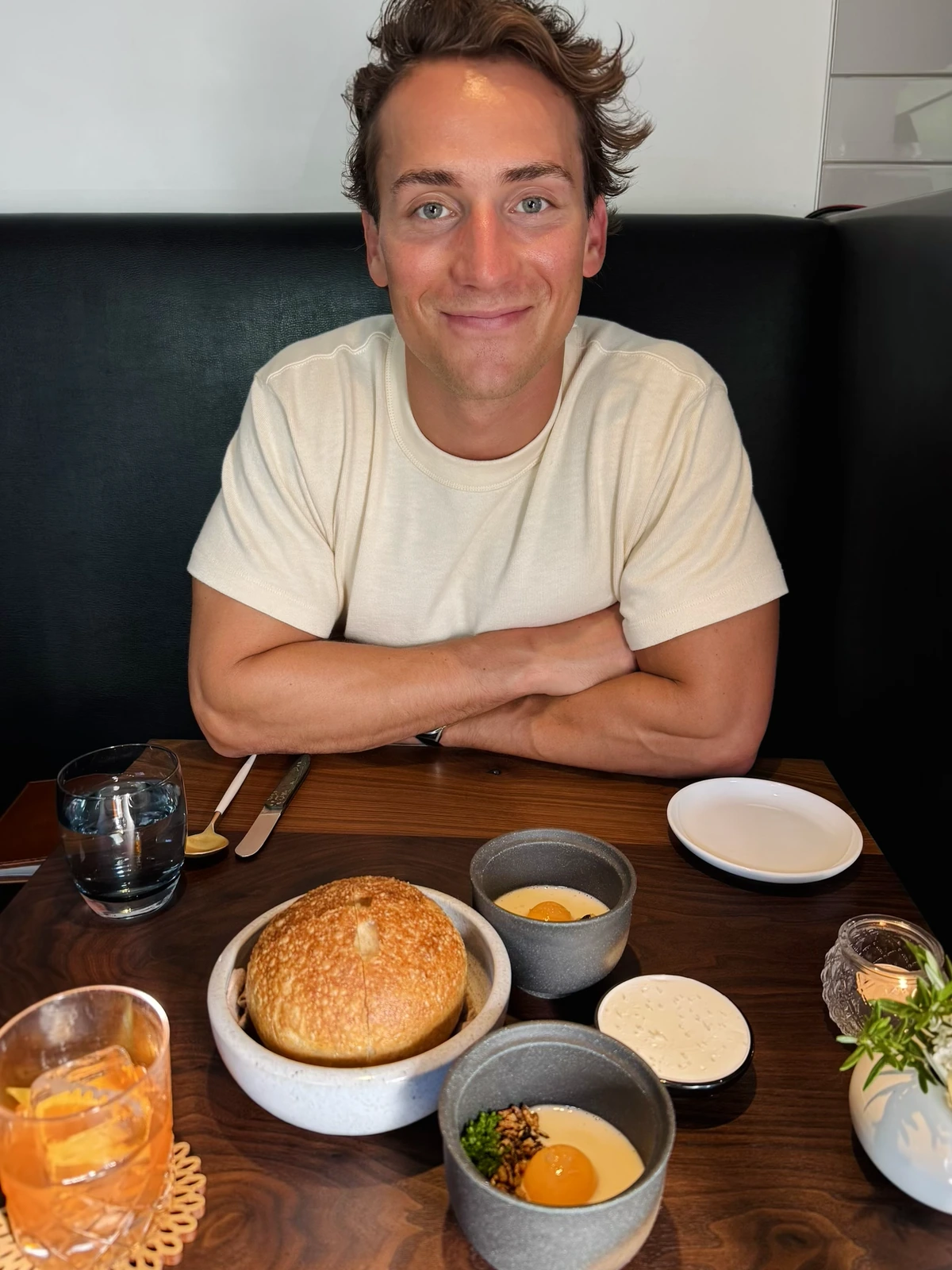
Jarod Farchione seated at a restaurant table set with bread, small savory custards, and a cocktail.

Jarod Farchione spent more than six years at Google, nearly all of them in advertising. He began getting data analysis, consulting, and advertising strategy reps with hundreds to thousands of small business owners across the United States to help them grow their businesses. He later joined the small, dedicated team serving Apple, one of Google's largest advertisers, helping manage programs across YouTube, Search, and Shopping with annual media investments measured in the hundreds of millions of dollars. His work included campaigns designed to bring customers into Apple's physical stores. His final years at Google focused on SEO and Google Maps, the very places where restaurants are discovered, considered, and chosen.

Working at both ends of the spectrum revealed a gap. The world's largest brands had access to deeply trained specialists, sophisticated technology, and rigorous measurement. Independent restaurant owners, the people pouring everything they have into their dining rooms and helping hold their communities together, rarely did.

Since 2024 he has worked with dozens of restaurants, primarily in the San Francisco Bay Area but also across the United States, from neighborhood delis and diners to multi-location hospitality groups, century-old institutions, and MICHELIN-starred dining rooms. That work has included Californios, the first Mexican restaurant in the world to earn three MICHELIN stars; John's Grill, serving guests on Ellis Street since 1908; Gott's Roadside, a Napa Valley roadside stand turned Bay Area institution; and Harborview, overlooking the Embarcadero waterfront.

The approach is the same regardless of the size of the dining room: understand what makes the restaurant worth choosing, capture the demand that already exists, create more of it, and measure the results honestly. Every campaign should connect marketing activity to real business outcomes: more reservations, more private-event inquiries, more first-time guests, and more revenue.
Who this is for

This works when the restaurant can put at least about a thousand dollars a month behind it and has one result it needs to move: more website reservations, more event inquiries, more people walking in, or more bookings on its own site. It fits multi-location restaurant groups, hospitality groups, serious independents, and boutique hotels. Owners and operators, not marketing committees.

Hire someone else when the bottleneck is press, a rebrand, daily content, or influencer management. Those are real jobs. They are not the job I sell.

We do not buy your name

For restaurants, we do not spend your money on people already typing your name. They find you on Maps and your own site anyway. The money goes to people who have not chosen yet.

If you run a hotel, we do buy the name, because travel sites bid on it, and we show that spend on its own line so it cannot flatter itself as new demand.

Signs the current marketing is not doing the job

Your reporting stops at clicks

The monthly summary arrives full of activity and answers none of the questions you actually have. What a booked table cost. Which searches paid for themselves. Whether the phone rang more than last month.

Your budget is buying people already searching for you

Those clicks are cheap and they convert, so the account looks healthy. None of them added a guest you did not already have.

You are not running anything yet

Nothing live, while private event inquiries and walk-in demand go to whoever is competing for them. That demand turns up on Google and Maps every week regardless of whether you are there.

Your locations read as one

One blended account and one average across the group. A strong room carries a weak one, your profiles drift out of date location by location, and you cannot see which is which.

AI assistants do not know you exist

Your guests now put the question to ChatGPT, Gemini, and Perplexity. Those systems answer from a clean profile and machine-readable detail, and plenty of hospitality sites carry neither.